During these years of turmoil, the Catholic Church in Rome established a Zambesi Mission in Matabeleland to cater for the Matabele descendants of Mzilikazi, now led by King Lobengula. Belgian priests of the Society of Jesus, Father Henri Depelchin (the leader), Fr Charles Croonenberghs and others set out on the long journey from Cape Town on the 16th April 1879. On 23 June they passed through the fertile Zeerust valley following the Mafekeng Road, which traverses the Dwarsberg and the main route northwards to Bulawayo in Zimbabwe. Five days later, they arrived at the Kalkfontein farm, where Fr Law nursed back to health a wounded farmer and explorer named Thomas Cocklin, who professed to have been the first white man to see the Victoria Falls.
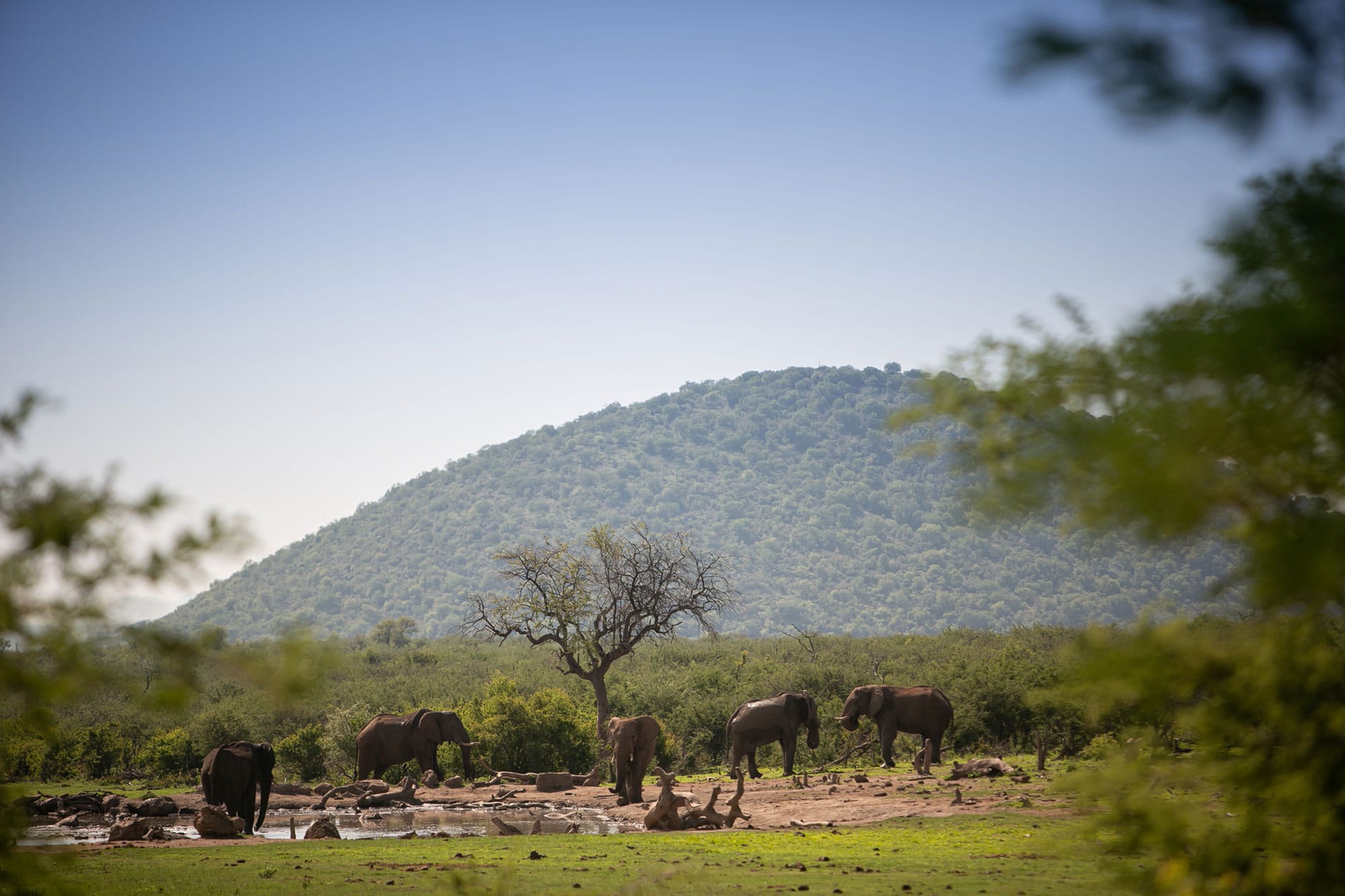
With provisions replenished, the party set out over the Dwarsberg, the future site of the Madikwe Game Reserve, where they encountered – according to Depelchin's letters home – flocks of ducks, herons, bustards, blue storks and ibis. They also saw kudu and other antelope, and heard cheetah, hyena, leopard and jackal. There were no signs of lion that, in 1836, English military engineer William Cornwallis Harris had encountered.
After crossing the Dwarsberg they came across a farm which looked like an ideal site for a mission. The priests continued past Derdepoort, along the Marico and Limpopo Rivers and eventually reached Bulawayo on the 7th July 1879, where they established a mission station.
Four years later, after several of the original party had died of fever, Depelchin decided that a mission station was needed in a healthier area, free from malaria, where the priests serving in Bulawayo could rest and recover from fever. The farm Vleischfontein, which had previously been ear-marked as a likely spot, situated on the Tweedepoort plateau on the Mafeking Road and measuring 4 000 morgen (about 8 000 acres), was purchased for 800 pounds, an exorbitant price at the time. Croonenberghs finalised the legalities of the transaction in Zeerust in October 1884 and building of the priest's house began on the chosen site on the 8th December 1885, with the school being built in 1886, followed by the chapel.
The missionaries soon dammed up springs in which barbel were raised for Friday meals. A garden was also established comprising orchards and croplands. The Vleischfontein mission became a well-known landmark for those travelling on the Mafeking Road, many stopping to savour its hospitality, in effect making it the area's first inn.
Remnants of a large Tswana community, mentioned in the mission's correspondence, can still be found at the base of Tshwene Tshwene, the highest peak in Madikwe.
It was reportedly the 19th century capital of the BaTtlokwa under Chief Gaberone. Upright stones marked the residential zone, and a wide lane led from the grey cattle byres up to the chief's residence. The chief's area, or kgosing, was the only residential section that incorporated stone walling.
In June 1894, the mission was handed over to the Order of the Oblates of Mary Immaculate (OMI or Marists) as the Jesuits no longer needed a halfway house due to the building of the Botswana railroad. The Marists, together with the Holy Family Sisters (1914 to 1928) and Dominican Sisters (1928 to 1948) developed the school and built a church, a convent, a grotto and another priest's house.
The original missionary priest's house, a chapel, the grotto, a cemetery and some garden walls remain standing. Northwest Parks and Tourism Board are using the site for staff accommodation and the restored convent as their head office.
So after many years of turmoil and unrest the Madikwe area finally found peace and thereafter, followed years of economic growth in the area.