
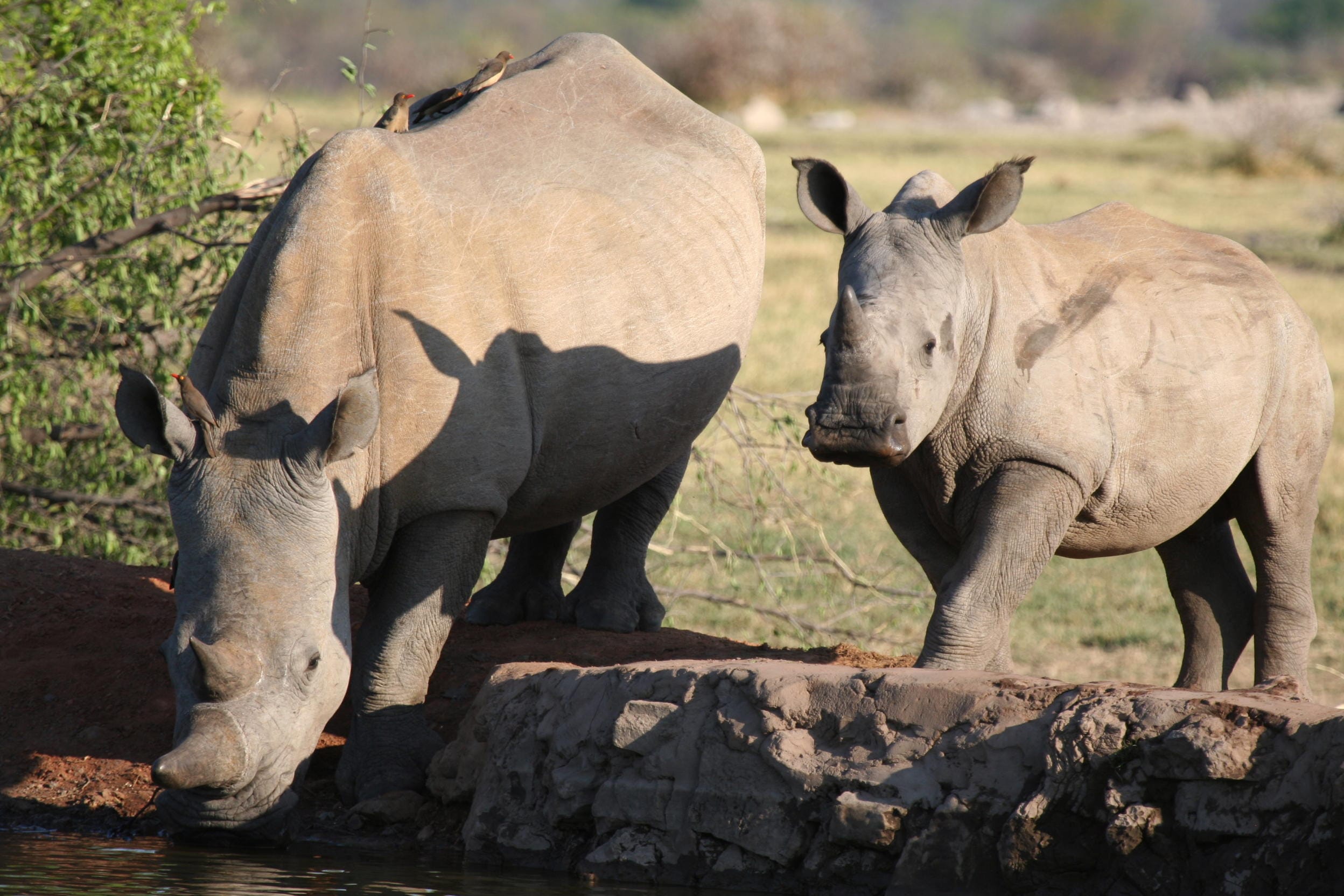
Conservation
Madikwe Game Reserve is testimony to the dedicated preservation of a special wilderness in one of the more remote parts of South Africa.
Located in the transitional zone between the bushveld ecological area of Southern Africa and the Kalahari thornveld region, it is now home to an abundance of wildlife. This, however, was not always the case. Operation Phoenix was one of the largest relocations of wildlife on earth: more than 8 000 animals were transported over a period of seven years for the purpose of establishing an economically viable wildlife sanctuary.
Today the reserve is home to the Big 5, which can be extended to the 'Super 7' to include African wild dog and cheetah. More than 250 species of birds have been recorded. For visitors, Madikwe is easily accessible and boasts numerous lodges and camps to choose from. Travellers play an important role in the sustainability and economic upkeep of the area. Investment and job creation are steps forward toward creating new opportunities for residents and eradicating poverty. This process gains constant traction and Madikwe Game Reserve has become one of South Africa's success stories. Placing people at the centre of conservation efforts is the number one priority when planning the development and constant improvement of the reserve.
A pioneering development for Madikwe as well as the popular Pilanesberg National Park is the 'Heritage Park' conservation corridor to join the two conservation areas. The project allows for a larger wildlife migration area, creating a prime eco-tourism destination.
Community-based Wildlife Conservation
Madikwe's primary objective differs somewhat to other game reserves, which focus primarily on wildlife and conservation. It is not solely a conservation area or a tourist destination; it is also a major social and economic hub.
Madikwe was established in the early 1990s as a result of an economic analysis that explored two land-use options: Big 5 ecotourism and extensive cattle farming. The outcome was that the area was most suited to wildlife tourism and this would lead to more employment opportunities than the agriculture option.
The focus is to stimulate a 3-way partnership between the state, private sector and community to create ecologically sustainable economic activity for the benefit of the people of the region. The role of the private sector is to establish and manage a variety of tourism developments and activities within the reserve. In order to do this, private companies pay the state concession fees. A portion of these is used for conservation and the rest is paid to local communities to fund a variety of community-based projects. Not only do the community benefit from the projects but also from the employment opportunities created in and around the game reserve.
This approach has often been referred to as community-based wildlife conservation and is being considered as a viable option in other developing countries. It is believed that community-based wildlife conservation offers the only long-term successful approach to wildlife conservation in Southern Africa and perhaps the entire African continent.